
- ±2cm
- RTK position
- 4.0km/h
- speed
- 12
- row
- 84%
- battery
Sample telemetry · tracked robot
Farm robotics
The tractor stays in the shed
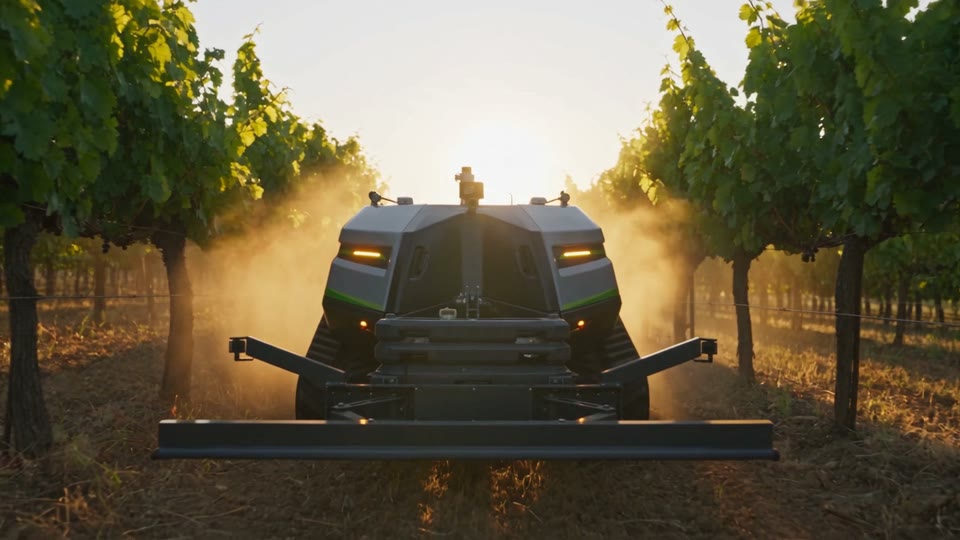
Autonomous tracked robots for mowing, treatments and transport in vineyards, orchards and vegetables. Less fuel, less compaction, work at night too. It is our next phase, and we are preparing it now.
The point
The drone does the work from above, the robot the work on the ground

Some jobs a drone cannot do: mowing the inter-row, spraying horizontally under the canopy, carrying the crates. Today a tractor does them, with an operator on top and four tonnes on the soil.
A tracked robot of a tonne and a half does the same jobs with no operator and a third of the compaction. Electric or hybrid, at night when the wind is still.
And it reads the same map as the drone. The multispectral survey decides where to treat, the robot executes in the row: one work plan, from air to ground.
What they will do
The work
-
01
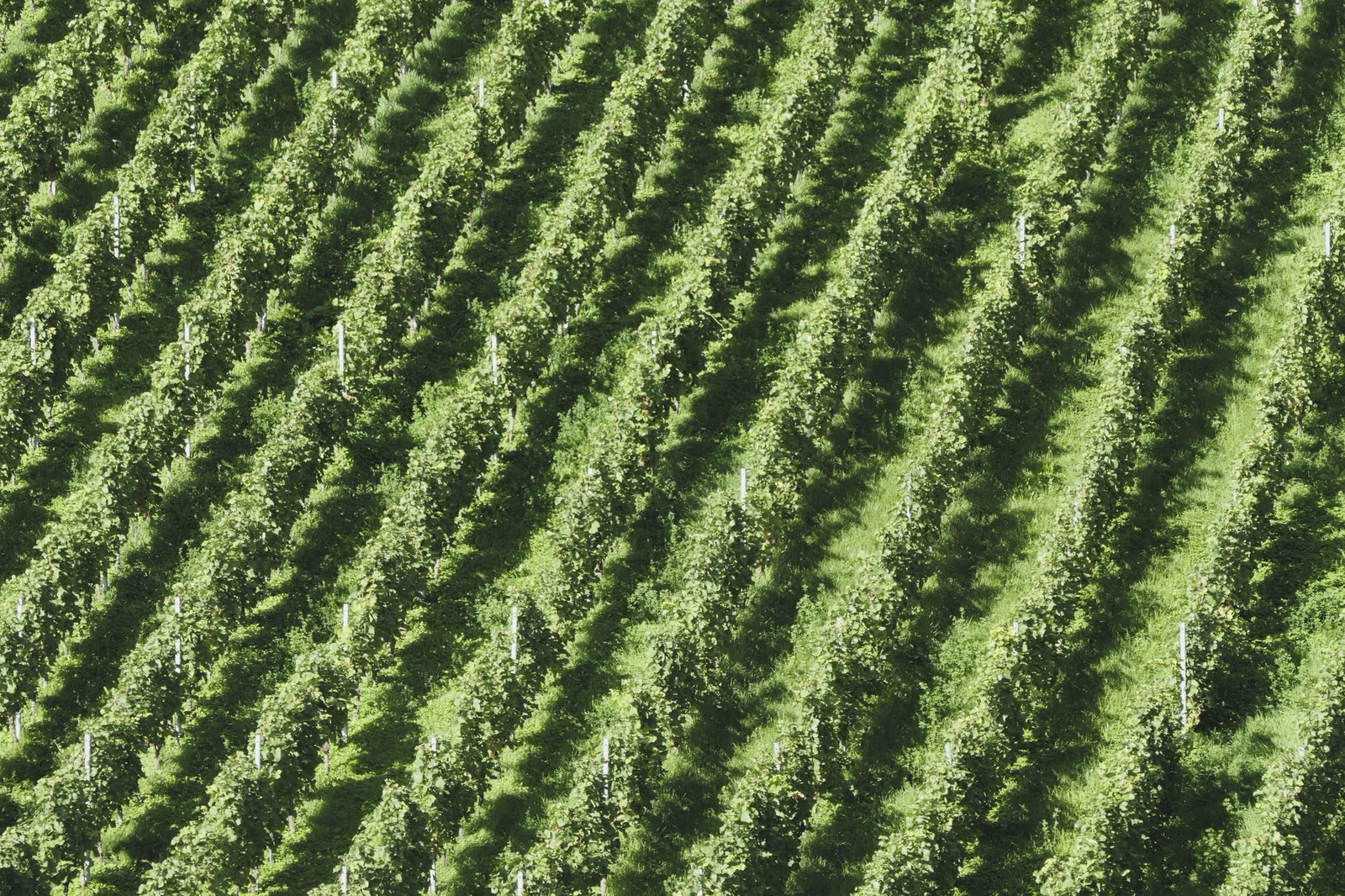
Mowing and inter-row management
Mulching grass and green manure between the rows, at fixed times, without stopping anyone.
-
02
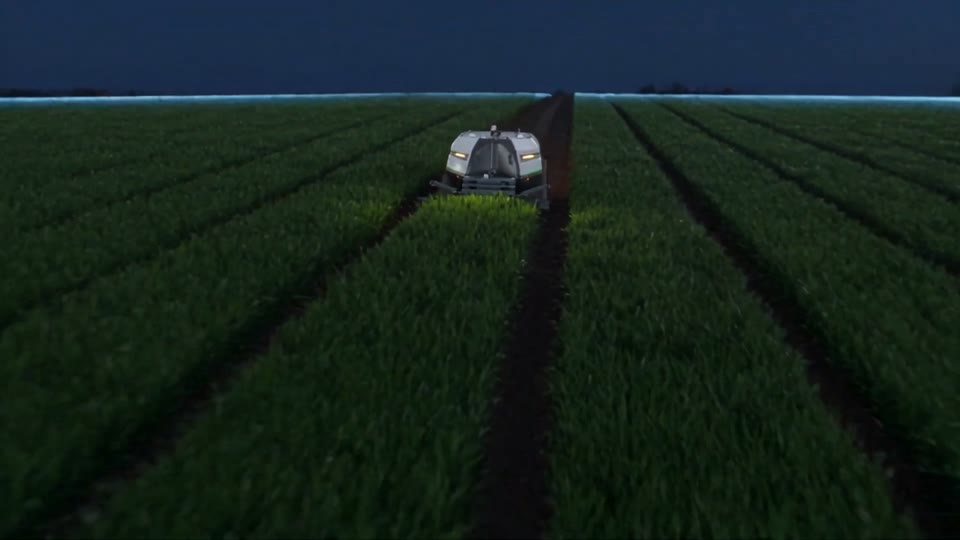
Treatments in the row
Recovery sprayer on the robot, dose from the multispectral map, drift cut to a minimum.
-
03
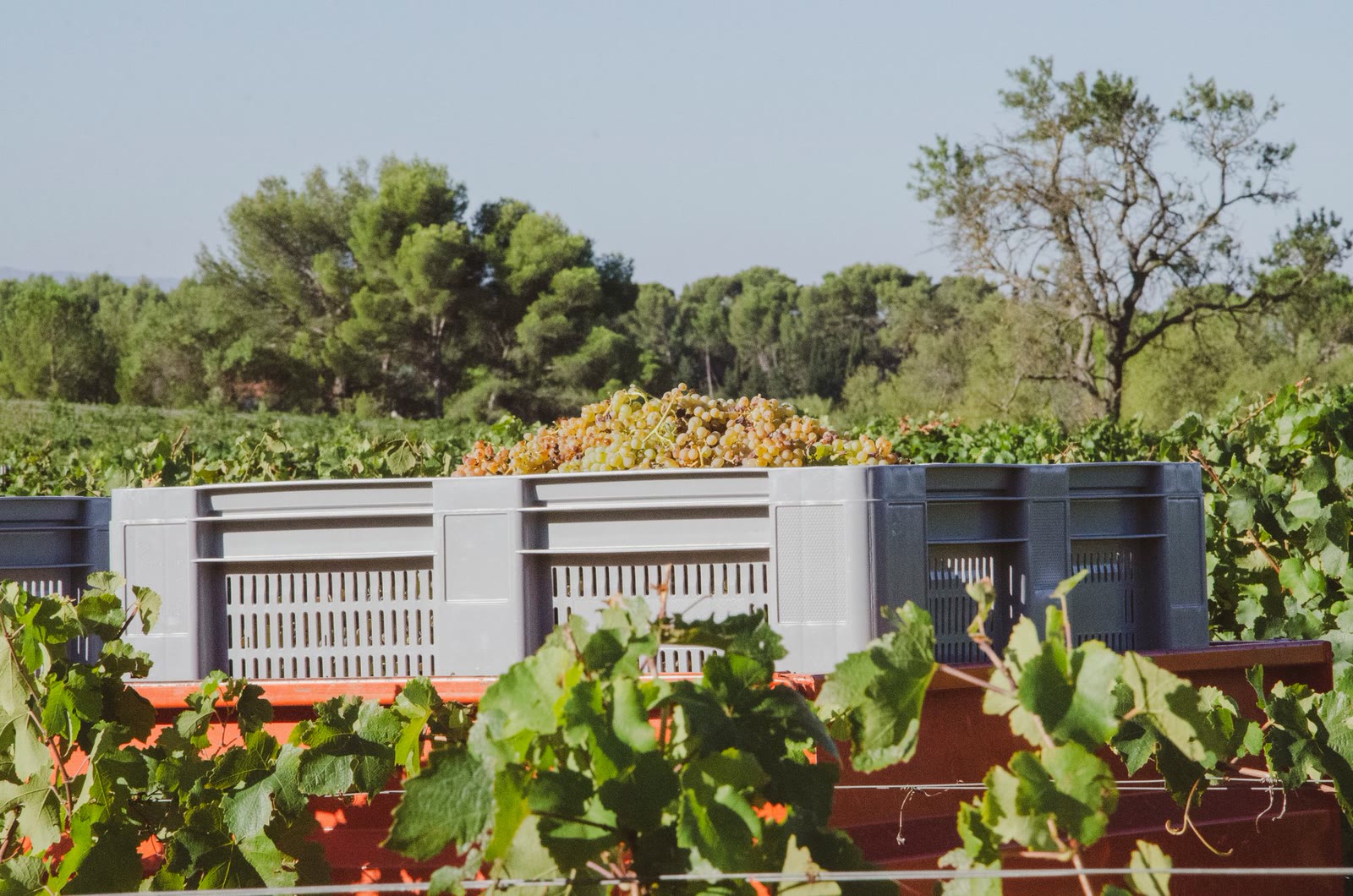
Transport
Crates and bins from the row to the yard during harvest, following the picking crew.
-
04
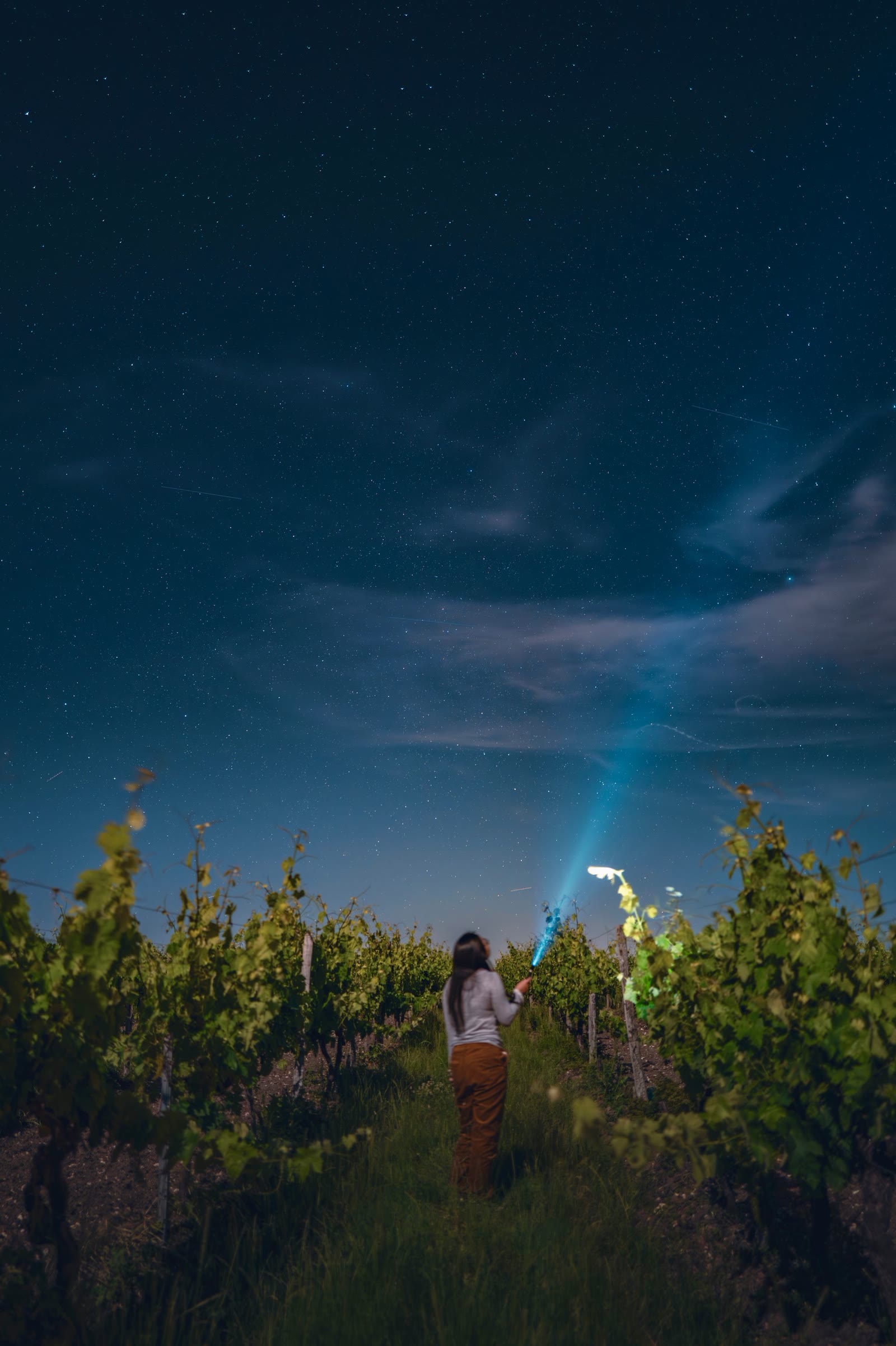
Night work
The operations that daytime wind and heat make worse move to the night, with no shifts.


One work plan
The drone's map, executed on the ground
The multispectral survey marks the stretches of row to treat. The robot drives the alleys in a serpentine and opens the sprayer only there: the stretches light up as it passes, the rest of the vineyard gets no product.
stretch marked by the maptreatedthe robot's path
Sample diagram: the marked stretches come from the same vigour function as the field on the home page.
The road map
Where we are and where we are going
-
from 2026
Drones
Application, monitoring and inspections with the DJI fleet. It is today's work, and it pays for the rest.
-
2027 season
First robots
Mowing and treatments in vineyards and orchards on pilot farms, with the manufacturer alongside.
-
from 2028
Integrated system
Drone, robot and data platform on one work plan, from survey to operation.
Dates are the targets of our business plan and may move with certification and field trials.
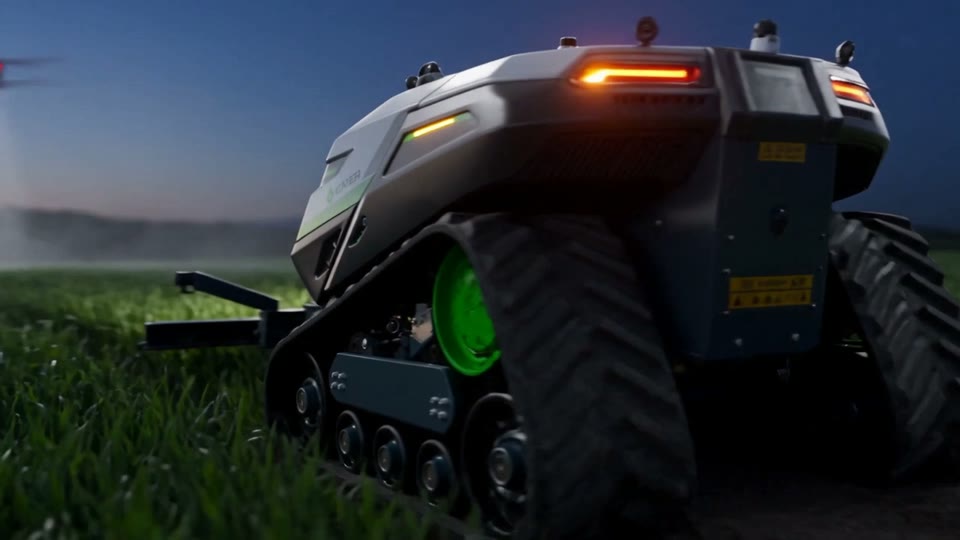
From the air to the ground
The drone decides where, the robot goes there
One map for two machines: the survey from above picks the stretches, the tracked robot works them at night, when the wind is still and nobody is in the field.
Questions
Before you write
Can I already book a robot?
You can put your farm forward for the 2027 trials. We are looking for vineyards and orchards between five and thirty hectares, with regular inter-rows and a contact person in the field.
Which robots will you use?
Autonomous tracked platforms already certified in Europe, with standard three-point implements. We announce the model when the agreements with the manufacturer are signed.
Does it need a connection in the field?
The robot navigates on RTK and onboard sensors and works without a network. The network is only for remote monitoring and for downloading the data at the end of the day.
The other services
In the meantime, with drones
Pilot farms are being chosen now
If you have a vineyard or an orchard and the will to try, write to us.